
Court booking rules for tennis clubs: fair and easy to follow
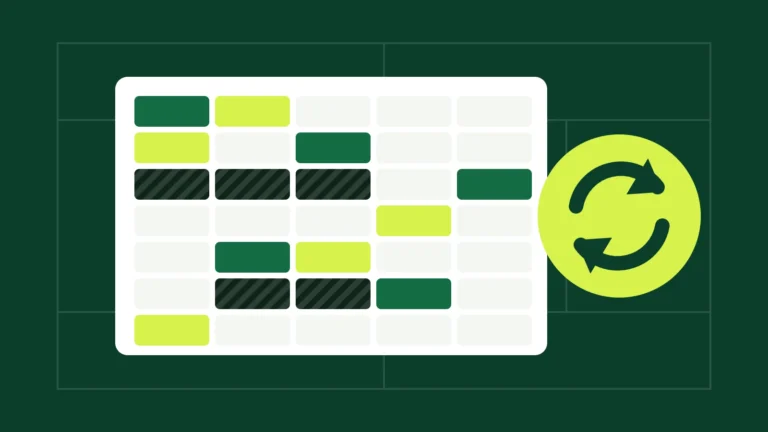
Every club knows the complaint: “The courts are always full when I want to play.” Often it is not a lack of courts but a lack of clear rules. Good booking rules give every member a fair chance, without the committee having to check everything.
1. Opening hours
Start with the basics: from what time and until what time can courts be booked? Take lighting, neighbours and maintenance into account. Keep it the same for every day if possible; that is easiest to remember.
2. How far ahead members may book
A short booking window, for example three to seven days, prevents the same members from booking weeks ahead. A longer window suits clubs with plenty of courts and members who plan their week.
3. Maximum bookings per member
Limit the number of future bookings one member may have at the same time, for example two or three. Count bookings as a playing partner too; otherwise one member books and simply adds the others.
4. Playing time by number of players
For tennis, linking playing time to the number of players works well: a single is shorter than a double. That keeps courts available and rewards playing together.
5. Cancel in time
Make cancelling as easy as booking. Members who cannot cancel easily simply do not show up, and the court stays empty.
6. Room for exceptions
- Block members who repeatedly break the rules for a while.
- Let the club desk book on behalf of members who are not online.
- Reserve courts for lessons, competition and maintenance in advance.
Let the system enforce the rules
Rules on paper only work if someone checks them. In an online booking system the rules are applied at the moment of booking: a member simply cannot book more than allowed. That takes pressure off volunteers and avoids discussions at the bar.
How BoardIt helps
In BoardIt you set the opening hours, booking window, maximum bookings per member (including as playing partner) and the playing time per court once. The board applies them automatically, and you block members with one click.
BoardIt is a WordPress plugin: you need your own WordPress website to use it. The free version has no limit on courts, members or bookings.